The Craft Brewing Movement
Overview of the Craft Beer Movement
In the 1970s, a quiet cultural revolution was brewing in America’s garages. This isn’t a study about the Macintosh, but rather the preservative-free food and the jerry-rigged kegerators that held just as much transformative potential for the U.S. economy as the Macintosh.
The Craft Beer Movement of the late 20th century emerged in California from hobbyist, collaborative, informal knowledge networks, and localist critiques of industrial food production. Notions of the heroic entrepreneur and rugged individualist heavily influenced the Craft Brewing Movement and its pioneers. The masculinized and entrepreneurial evolution of the industry largely reflects broader cultural, neoliberal, and economic ideals in American society at the turn of the century.
Oil, Standardization, IDK

Archaeological evidence suggests chile domestication began around 7500 BCE in Mexico—making it one of the oldest cultivated crops in the Americas.
After the financial crises of the 20th century, including the welfare crisis of the 1960s and the oil shocks of the 1970s, the American consciousness began to shift further toward notions of economic independence. As the postwar economy began to stagnate, the portion of the upper middle and wealthy class that witnessed wealth concentration began to seek “a more specialized and symbolically complex consumer lifestyle.” The crisis in welfare capitalism also had the “unusual effect of… the revitalization of ideas about entrepreneurship, creativity and innovation.” Specialized consumer lifestyles and the perceived need to imagine an economy unreliant on Middle Eastern oil and global economies gave rise to the farm-to-table and localism movements, and, with renewed entrepreneurial imagination, the Craft Brewing Movement emerged.
Stagnant Industry
For decades prior to the Craft Brewing Movement, the alternative brewing and craft scene had remained stagnant, and large corporations dominated the market. “When Prohibition ended in 1933, many homebrewers returned to buying professionally made beer, and most homebrewing activities declined.” Until the 1970s, large corporations, including Anheuser-Busch, Coors, and Miller Brewing Company, dominated the beer market. In the postwar era, homebrewing remained illegal nationally.
Homebrewing remained illegal in the United States until California State Assemblyman Tom Bates of Berkeley became interested in promoting the industry’s potential. “After consulting with … numerous brewers and would-be brewers, Bates wrote California Assembly Bill 3610, which allowed brewers to sell directly to consumers,” and “authorized homebrewers to produce up to 1000 gallons annually.” Californian, Craft Beer pioneer, and future owner of what is disputedly the first true brewpub in the United States, Buffalo Bills Brewery, had by then become so invested in the idea of starting his own brewpub that he testified in favor during committee hearings. The only caveat of the Bates Bill was that, in order to kill the opposition from large, corporate breweries, who saw it as a threat to their business, Bates had to include an amendment that necessitated brewpubs serve food along with their beer. Buffalo Bill’s Brewery merely served sandwiches with supplies bought from Costco and the occasional pizza with materials bought from Price Club (now Costco).
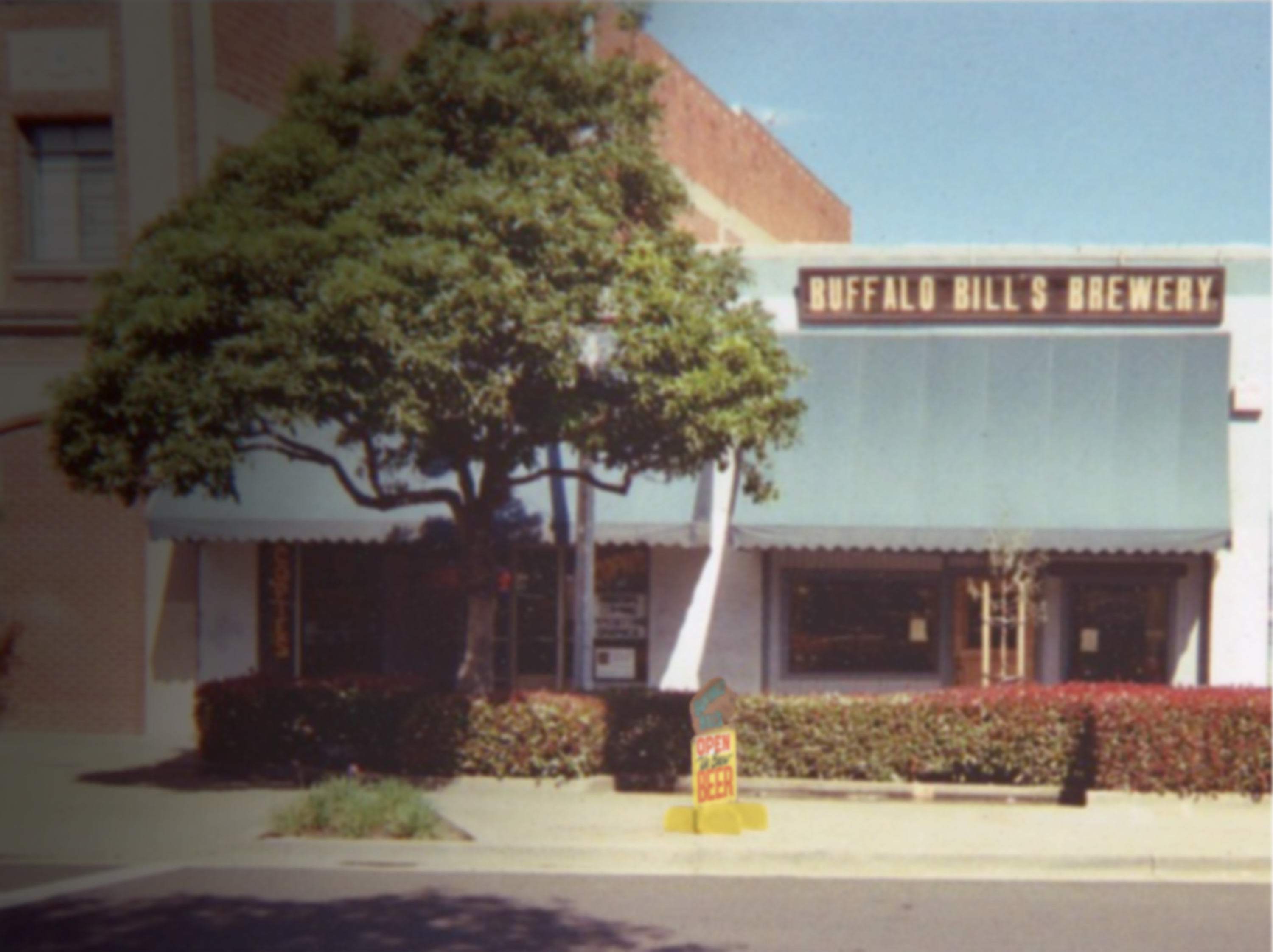
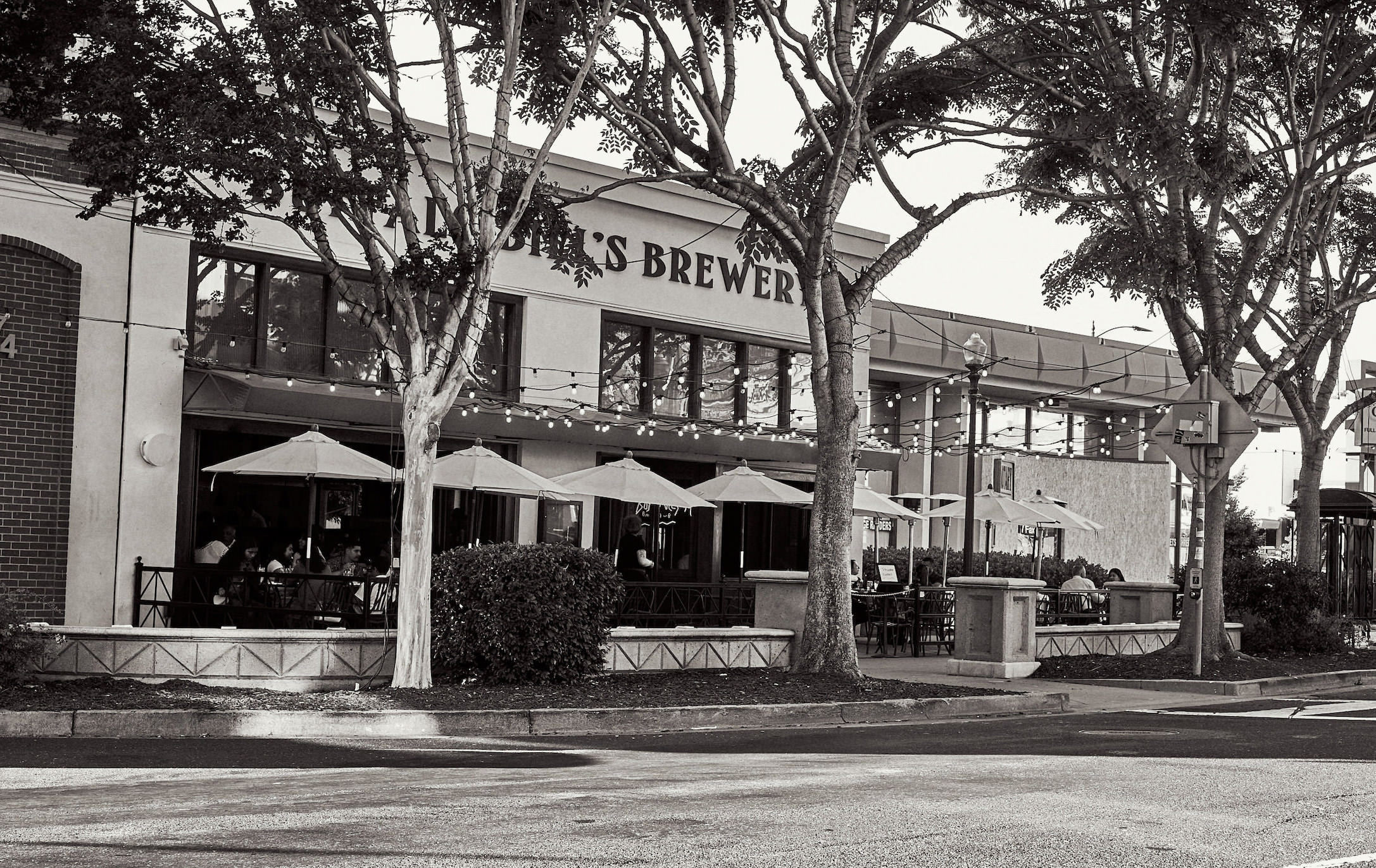
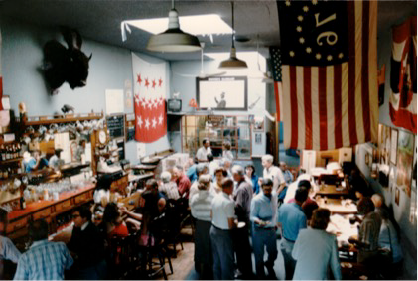
While no one actually ever paid the license fee, nor did anyone get fined or arrested, the law was necessary to legitimize homebrewing.” From this catalyzing moment on, the Craft Brewing Movement gained exponential traction. While the American Beer Revival is widely attributed to Fritz Maytag’s Anchor Brewing and Jack McAuliffe’s New Albion Brewing, the Homebrewing Act was essential for the modern brewery phenomenon as we understand it to emerge. McAuliffe had merely been “hand bottling his beer and self-distributing it, driving between bars and restaurants in the Bay Area to deliver beer from his trunk.” While Buffalo Bill’s is the third brewpub in the nation, it is the first brewpub in the US with a long draft system, drawing beer down a 62-foot line from the bright tank (storage tank under pressure) to the tap.” It fundamentally reimagined the landscape in which Americans would gather to drink and revolutionized the nature of those spaces, with brewing in house becoming a symbol of pride and locality.
Abolishing Drunk Shaming
The Bates Bill represents two key shifts in American culture in the late 1970s. More broadly, it represents the neoliberal shift toward government deregulation and the effective creation of a hobbyist-to-entrepreneur pipeline for Craft and Home Brewers. For the movement itself, it created the circumstances for the Craft Brewing Revolution to occur, which fundamentally altered the landscape and nature of the places the Americans would gather to drink.
Deregulation and Market Liberalization
The Bates Bill exemplifies a broader trend within American society in the 1970s and 80s, effectively creating a hobbyist to entrepreneur pipeline for Craft and Home Brewers.
The New Mexican Obsession
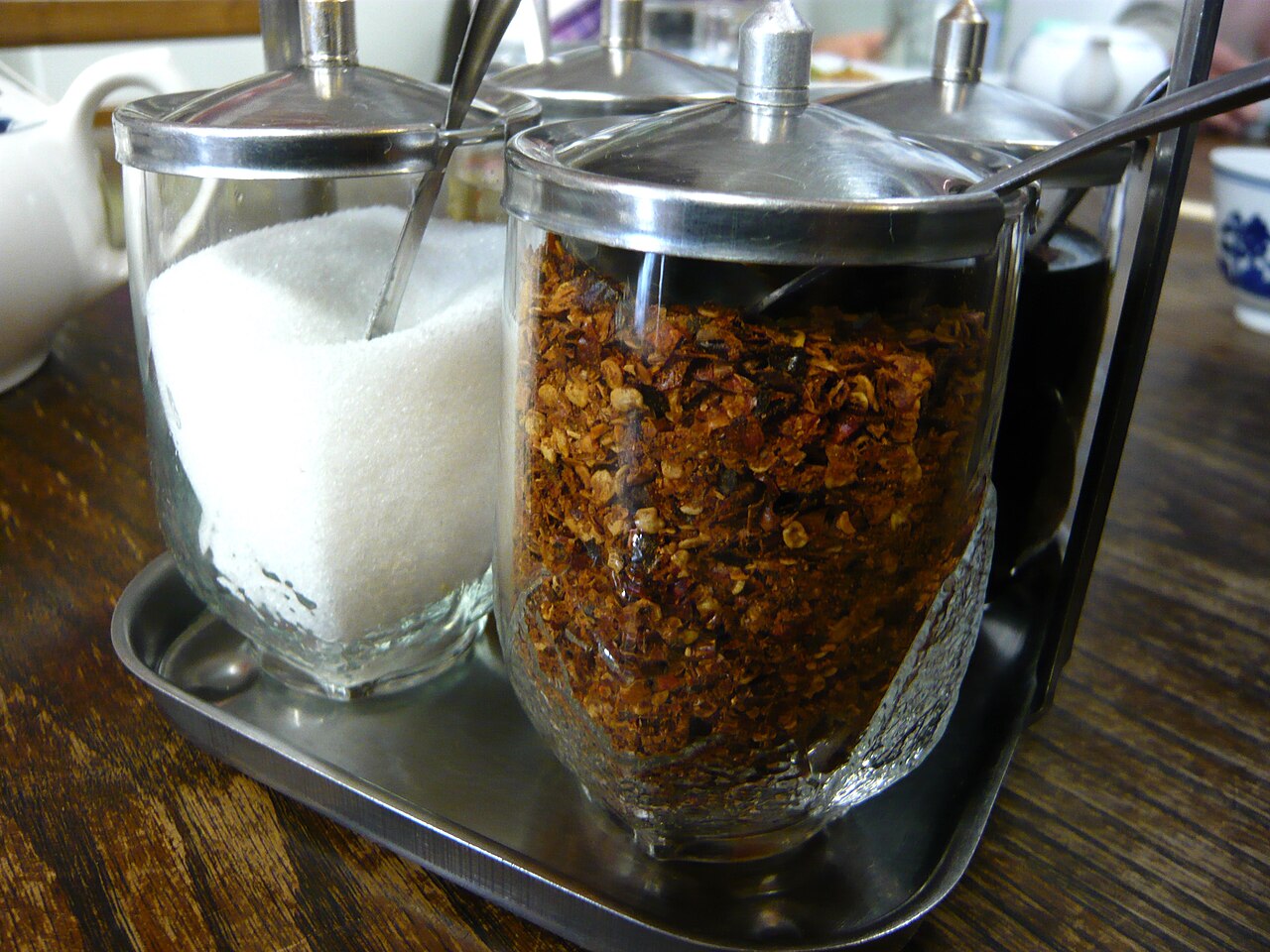
The iconic red chile ristras of Northern New Mexico—strands of dried chiles hung to cure and age.
By the 18th and 19th centuries, chiles were so central to New Mexican cuisine that they weren’t just a spice—they were an identity marker. You could tell where someone was from by how they prepared chiles, what variety they grew, when they harvested.
Red versus green became almost a political and cultural statement. Families had chile-growing traditions stretching back generations. Towns developed reputations for particular varieties. The annual chile harvest was (and still is) treated with ceremonial importance.
When New Mexico became a U.S. state in 1912, one of its first instincts was to assert its uniqueness through food. Chile festivals emerged. Chile-growing competitions began. The chile became a symbol of regional pride—fiercer and more protective than almost any other ingredient anywhere.
The Chemistry of Heat and Culture
What makes chiles remarkable isn’t just their flavor, but their heat—the capsaicin that creates that burning sensation. This isn’t taste in the traditional sense; it’s pain. We’ve evolved to eat chiles despite the pain, even to crave it.
There’s psychology in this. The shared experience of eating something hot—the sweating, the laughing, the communal endurance—creates bonds. Chile-eating contests, chile-eating challenges, families bonding over who can handle the hottest salsa: this is social behavior built on a plant that literally tests your limits.
Modern Variations and Challenges
Today, New Mexican chiles face challenges. Climate change is shifting growing seasons. Industrial agriculture has made cheaper, flavorless chiles available everywhere, undercutting local farmers. Younger generations are moving away from rural areas where chiles have been grown for generations.
But there’s also a renaissance. Heirloom chile varieties are being preserved and celebrated. New restaurants are treating chiles with the seriousness of a wine vintage—specific growing regions, specific varieties, specific preparation methods.
The carousel below shows the diversity of modern chile culture:
The varieties tell a story:
- Pueblo chiles: small, early, adapted to high elevations
- Spanish varieties: brought by colonists, adapted over centuries
- Hybrid modern varieties: bred for consistency and market appeal
- Heirloom preservation varieties: grown specifically to maintain genetic diversity
Each represents a different moment in the chile’s journey from wild plant to cultural icon.
The Future of Southwest Identity
As the Southwest changes—becoming more urban, more diverse, more connected to global food systems—what happens to the chile? Will it remain a marker of regional identity, or become just another ingredient?
The answer might be both. Chiles have always adapted. They adapted to every continent, every climate, every cuisine that adopted them. They adapted from wild plants to cultivated varieties to industrial agriculture to heirloom preservation. They’ve been spice, currency, medicine, ritual object, and comfort food.
Maybe that adaptability is the real story. Not the origin in Mexico or the spread through the world or the obsession in New Mexico, but the fact that a plant can be shaped and reshaped by human culture while still remaining fundamentally itself.
The heat remains. The flavor remains. The chile endures.
Further exploration: Taste different chile varieties if you can—fresh, roasted, dried. Visit a chile festival if you’re in the Southwest during harvest season. Ask family members about their chile traditions. The story of chiles is also the story of regional identity, of cultural pride, and of how food carries history in its flavor.