The Craft Brewing Movement
The Merry Pranksters
The oil shocks of 1973 and 1979 revealed that the U.S. economy depended on cheap oil and long supply chains. As gas stations ran out of fuel, and lines grew longer, everyday consumption began to feel unstable. Craft Beer Pioneer, Bill Owens, explained that “beer’s expensive, so I was brewing my own.” While Owens was hoarding his supply of beer in his garage, Americans were dangerously storing gas in their garages and waiting for alternating days to buy gas corresponding to the odd or even numbers on their license plates. The oil crisis made Americans consider, and movements emerged, whether the issue revolved around overpopulation, economic systems, or consumption habits.
Localism
Late 20th-century California had a distinct counterculture atmosphere. At the University of California, Berkeley, Frances Moore Lappé conducted her research for her environmental and political manifesto, “Diet for A Small Planet.” While students in California protested the Vietnam War, and Americans began to reconsider the nature of local supply chains, Lappé posited that ecological devastation and food insecurity were not a matter of scarcity but of inefficient, meat-centered supply chains. The cornerstone piece of the localism movement, which garnered particular attention in California, fundamentally challenged consumption habits.
The Localism Movement greatly influenced the Craft Beer Movement. The first female brewmaster in the United States, Mellie Pullman, reflected these trends in the Western Craft Brewing Movement. “I’m like the typical Portlander. Completely obsessed with all of it. Going to the newest restaurants and trying to support local producers.” In Utah, Pullman “came up with a lager, called the Slickrock Lager, and it was really marketed toward the mountain biking community.” Her reflection on the lager is a direct response to catering to the community when they might defer to something standardized like Coors. Sociologists and cultural geographers have acknowledged the utility of breweries as “anchor points” and coined the term “neolocalism” to describe the modern, evolving taste for local products and identity. This tendency, then, is rooted in the localism movement and helps explain how breweries have remained economically viable well into the 21st century.
Drubnkadrd evidence
Epistemology
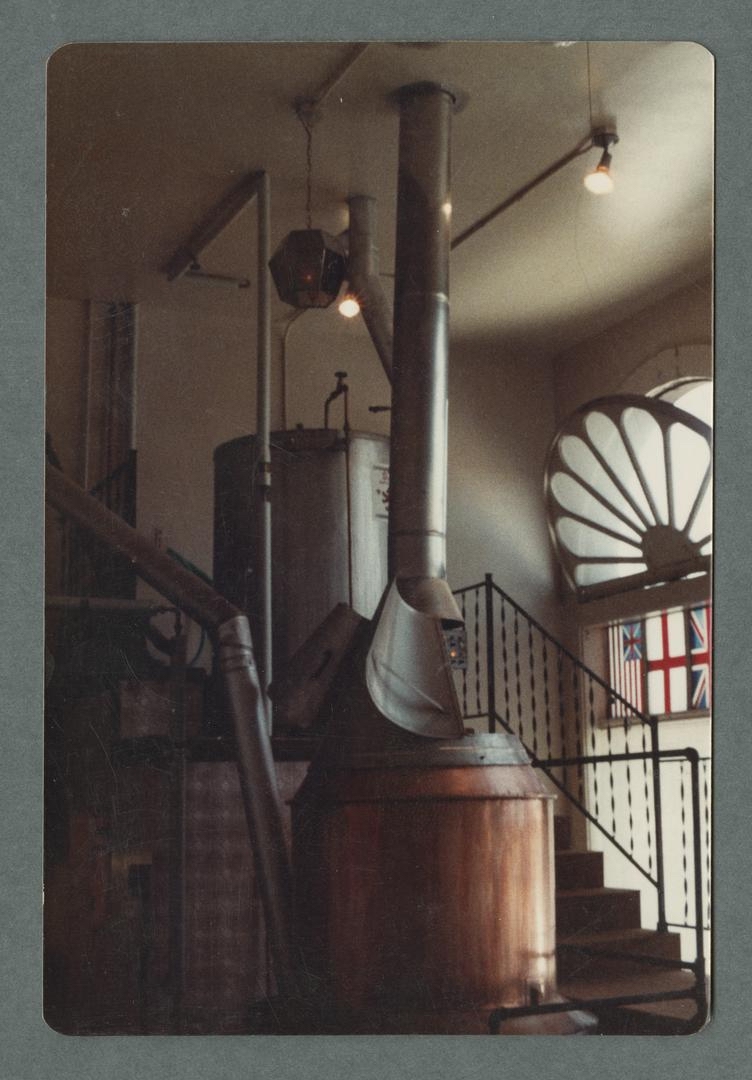
Craft brewing is not only a form of corporate dissent but also a particular epistemological nature. Pullman had plenty of chances to profit, but instead, declined: “People always ask me to come and do consulting. No, that’s not my thing. I’m just education. I’m not consulting.” The collaborative nature in the Craft Brewing Industry is so pronounced that sociologists have study the phenomenon. “One might have a preconceived notion that most brewers would want to keep their knowledge a secret, especially recipes or special techniques; however, as many homebrewers interviewed stated, they were willing to share their knowledge and “feed” off of each other.” This phenomenon evidently was a precedent set by early home and craft brewers, who had to experiment, jerry rig, or otherwise “DIY” their brewing equipment, and create their own recipes.

Archaeological evidence suggests chile domestication began around 7500 BCE in Mexico—making it one of the oldest cultivated crops in the Americas.
Craft brewing is not only a form of corporate dissent but also a particular epistemological nature. Pullman had plenty of chances to profit, but instead, declined: “People always ask me to come and do consulting. No, that’s not my thing. I’m just education. I’m not consulting.” The collaborative nature in the Craft Brewing Industry is so pronounced that sociologists have study the phenomenon. “One might have a preconceived notion that most brewers would want to keep their knowledge a secret, especially recipes or special techniques; however, as many homebrewers interviewed stated, they were willing to share their knowledge and “feed” off of each other.” This phenomenon evidently was a precedent set by early home and craft brewers, who had to experiment, jerry rig, or otherwise “DIY” their brewing equipment, and create their own recipes.
Modern Farmers and Preservationists
Today, a new generation of farmers works to preserve heirloom chile varieties while also developing new cultivars suited to changing conditions. Organizations dedicated to seed preservation ensure that rare varieties don’t disappear, while agricultural researchers work to understand the genetics of heat, flavor, and disease resistance.
The people of the chile continue to shape its story.